The fleet
The right answer under an hour.
On a short leg a turboprop is frequently the better option, and the reason is the mission rather than taste. A jet spends most of a forty-minute hop climbing and descending, never settling into the cruise it was built for. A turboprop is designed for exactly that profile, and it will use shorter and smaller fields than a jet will take — which on a coastal or island run is often the difference between arriving where you actually want to be and arriving somewhere near it. For six to eight people under an hour, it arrives at the same time and it suits the trip better.
What this category is genuinely good at
- Legs under an hour, where a jet never reaches the cruise it is built for
- Six to eight passengers on a regional trip
- Short, unpaved or high-elevation strips a jet cannot use
- Island and coastal fields with limited runway
And where it stops
Slower, lower and noisier than a jet, and none of these aircraft has a stand-up cabin. Past about ninety minutes in the air the speed difference matters more than the field access does, and a light jet becomes the better answer. We will tell you which side of that line your trip falls on.
- Typical capacity
- 6–8 passengers
- Planning range
- 1,000 nm
- Planning cruise
- 280 kt
3 aircraft
The turboprops we fly
Every figure below is verified against manufacturer publication or a recognized industry reference, and range is stated with the conditions it assumes.
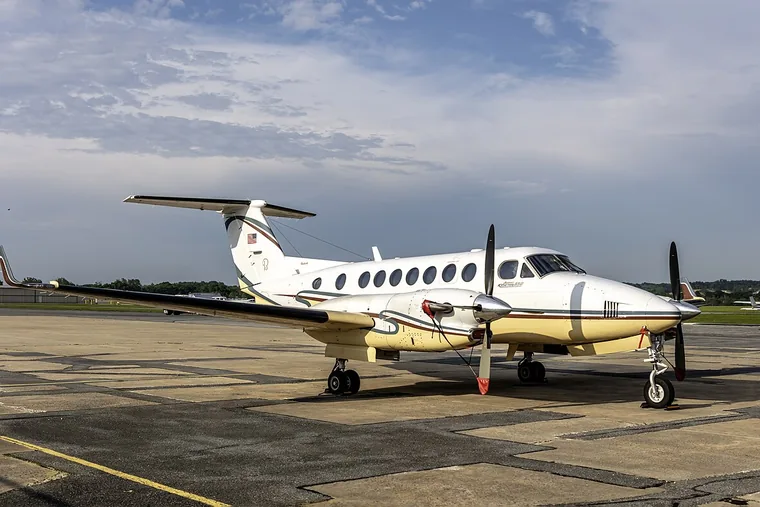
Beechcraft King Air 350i
The largest cabin in the turboprop category and the one that seats a real party of eight. A 3,300 ft takeoff run opens up fields a light jet has to decline.
- Seats
- 8
- Range
- 1,200 nm
- Cruise
- 312 kt
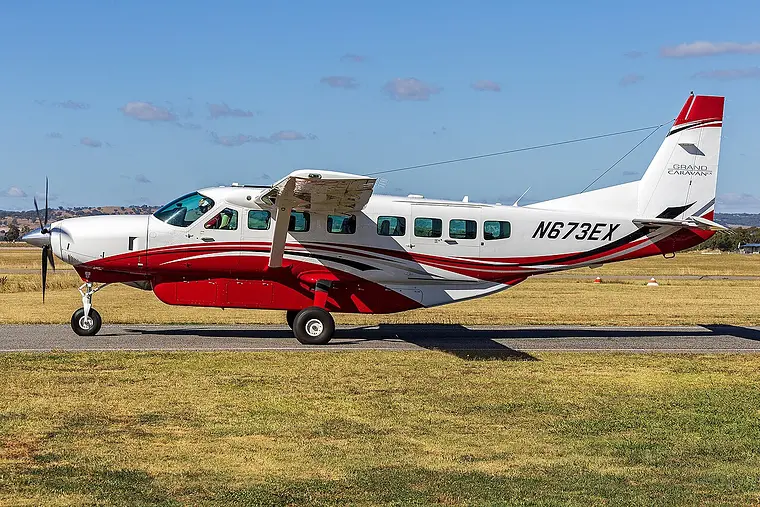
Cessna Grand Caravan EX
The short-field and island aircraft. A 2,160 ft takeoff over a 50 ft obstacle, a cabin door big enough to load anything, and the ability to use strips that every other aircraft here has to decline.
- Seats
- 9
- Range
- 600 nm
- Cruise
- 185 kt
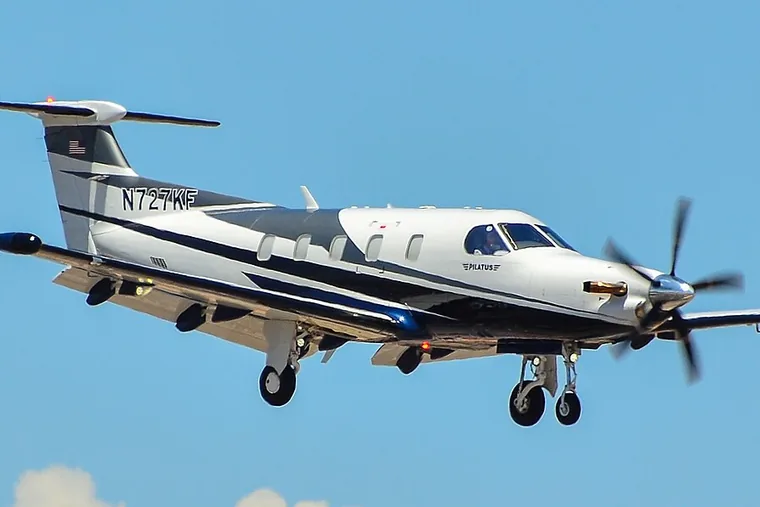
Pilatus PC-12 NGX
The short-field specialist. A 2,458 ft takeoff run and a cargo door wide enough for skis, bikes or a dog crate, in a cabin wider than a King Air’s.
- Seats
- 6
- Range
- 1,000 nm
- Cruise
- 290 kt
Common questions
How many passengers does a turboprop carry?
A turboprop typically carries 6–8 passengers in comfort. Maximum certified capacity is usually higher, but the comfortable number is the one worth planning around — and baggage is often the real constraint before seats are.
How far can a turboprop fly?
Plan on around 1,000 nautical miles with a full cabin. Manufacturer headline figures are higher because they assume a lightly loaded aircraft at long-range cruise — we publish both and quote against the realistic one.
What is a turboprop best for?
On a short leg a turboprop is frequently the better option, and the reason is the mission rather than taste. A jet spends most of a forty-minute hop climbing and descending, never settling into the cruise it was built for. A turboprop is designed for exactly that profile, and it will use shorter and smaller fields than a jet will take — which on a coastal or island run is often the difference between arriving where you actually want to be and arriving somewhere near it. For six to eight people under an hour, it arrives at the same time and it suits the trip better.
What is the trade-off with a turboprop?
Slower, lower and noisier than a jet, and none of these aircraft has a stand-up cabin. Past about ninety minutes in the air the speed difference matters more than the field access does, and a light jet becomes the better answer. We will tell you which side of that line your trip falls on.
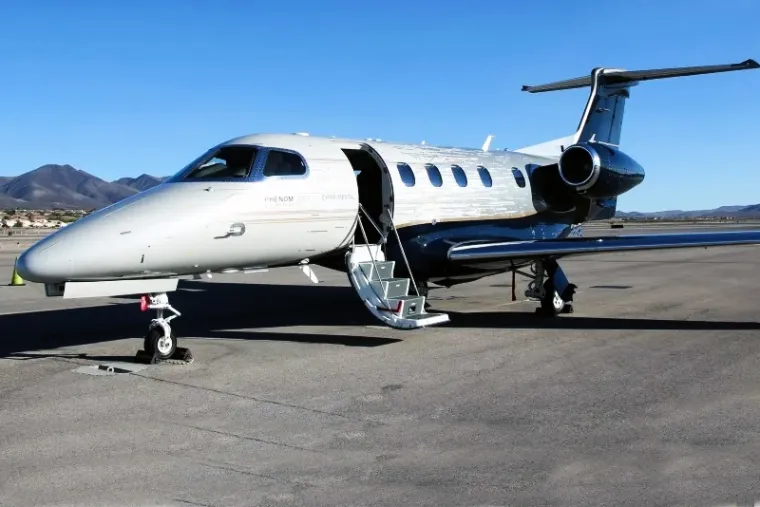
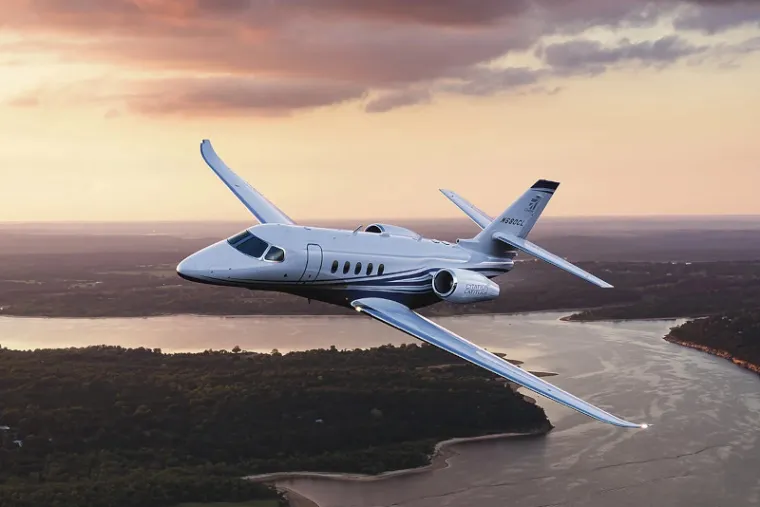
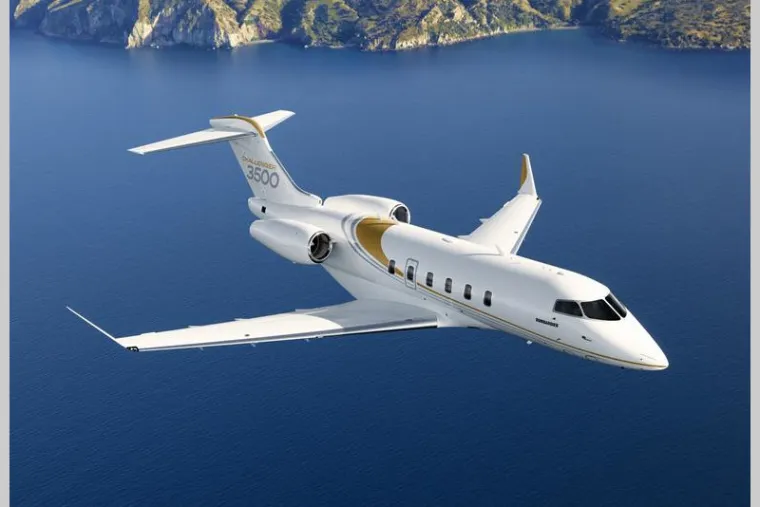
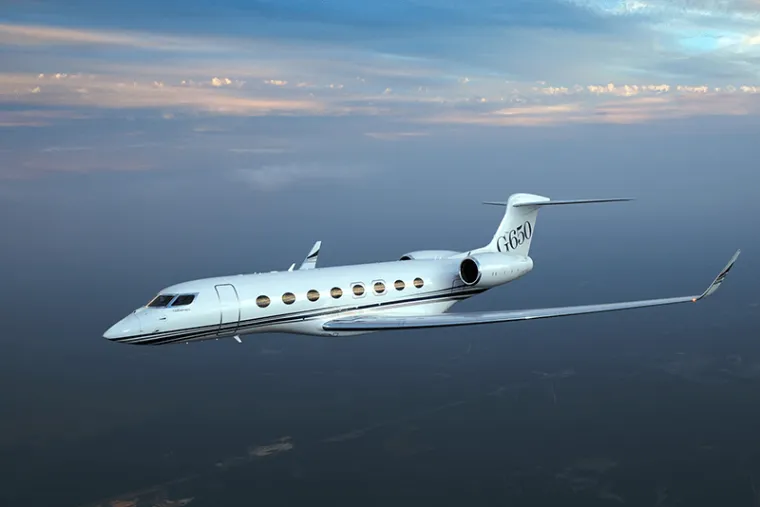
Aircraft photography: Beechcraft King Air 350i by Acroterion, CC BY-SA 4.0 · Pilatus PC-12 NGX by Tomás Del Coro, CC BY-SA 4.0 · Cessna Grand Caravan EX by Bidgee, CC BY-SA 3.0 AU. Cropped and color-graded for this site; the adapted images carry the same license.

.jpg)
_Cessna_208B_Grand_Caravan_EX_taxiing_at_Wagga_Wagga_Airport.jpg)
Two ways to fly a turboprop: the Velocity Jet Card, which fixes your terms in advance, or on-demand charter with no membership at all. Which one suits you depends on how often you fly.
Your Jet Card, priced around the way you actually fly.
No template, no tiers you have to fit yourself into. Tell us how you fly and we will build the program around it.
Every inquiry is answered personally — 24/7, and we come back to you right away.
- Handpicked aircraft
- Highest safety ratings
- FAA Part 135
- NBAA Member