The fleet

Match the aircraft to the mission.

18 aircraft, five categories, and not one specification we could not source. Range is published with the conditions it assumes — because a headline number beside a seat count is how buyers get misled.

The Jet Configurator

Which category actually fits your trip?

The configurator checks the routed distance against each aircraft's realistic full-cabin range, not the marketing figure — so it will never recommend an aircraft that cannot make the trip with your party aboard.

Try “Boca Raton”, “TEB” or “Palm Beach”.
Over 6,300 airports worldwide, including private fields.
Passengers
Trip

Four categories

Start with how far, and how many.

Category is the single largest driver of what a trip costs. Choosing the right one — rather than the largest one — is most of what a broker is for.

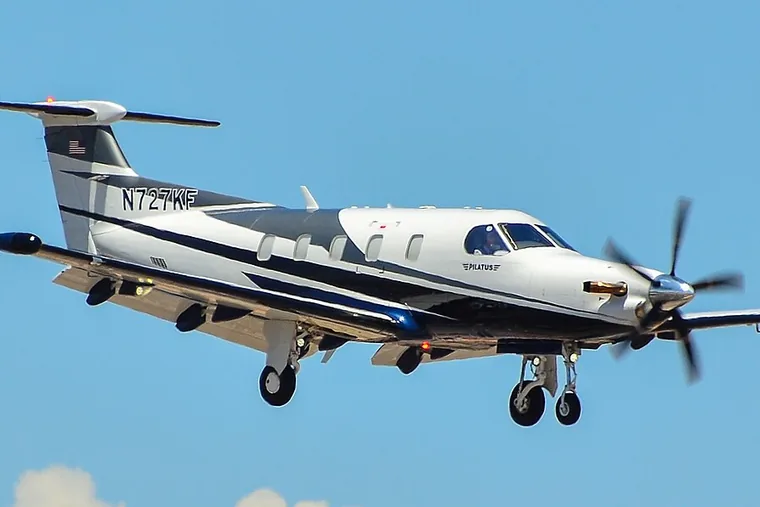
Turboprops — representative aircraft

Turboprops

6–8 passengers

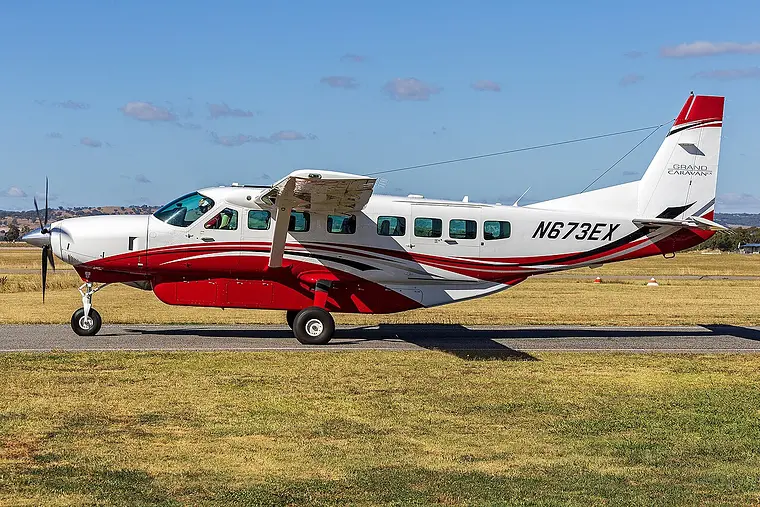
The right answer under an hour.

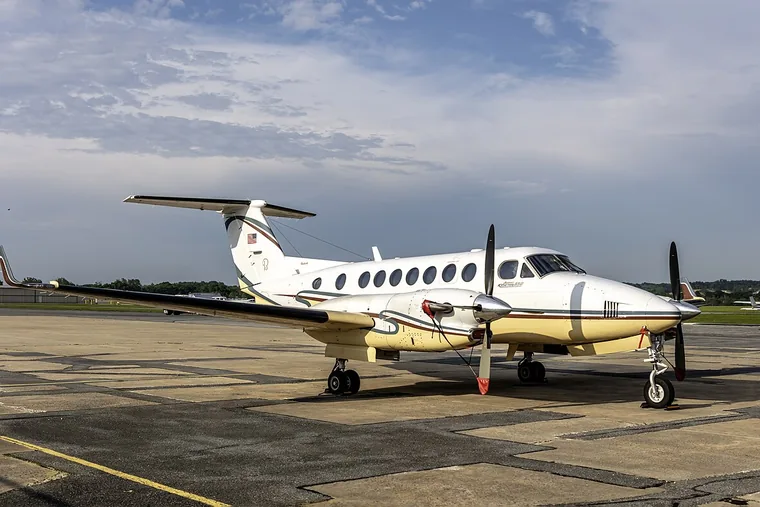
On a short leg a turboprop is frequently the better option, and the reason is the mission rather than taste. A jet spends most of a forty-minute hop climbing and descending, never settling into the cruise it was built for. A turboprop is designed for exactly that profile, and it will use shorter and smaller fields than a jet will take — which on a coastal or island run is often the difference between arriving where you actually want to be and arriving somewhere near it. For six to eight people under an hour, it arrives at the same time and it suits the trip better.

Planning range
1,000 nm
Planning cruise
280 kt
Aircraft
3
Explore turboprops
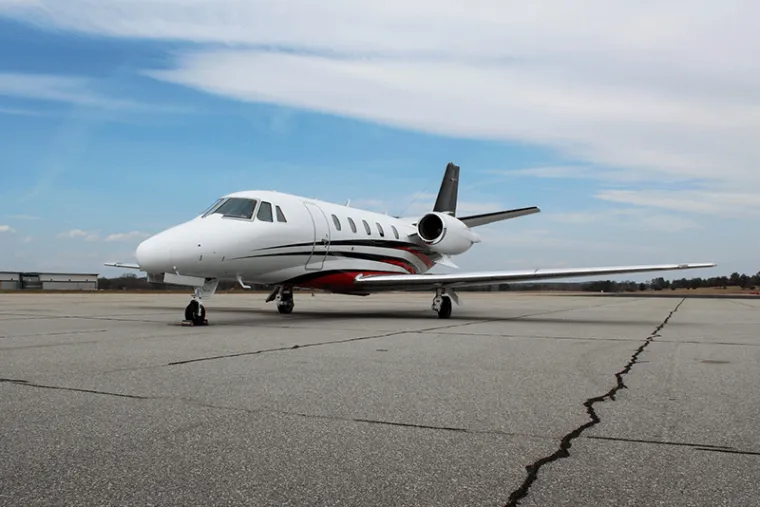
Light Jets — representative aircraft

Light Jets

4–7 passengers

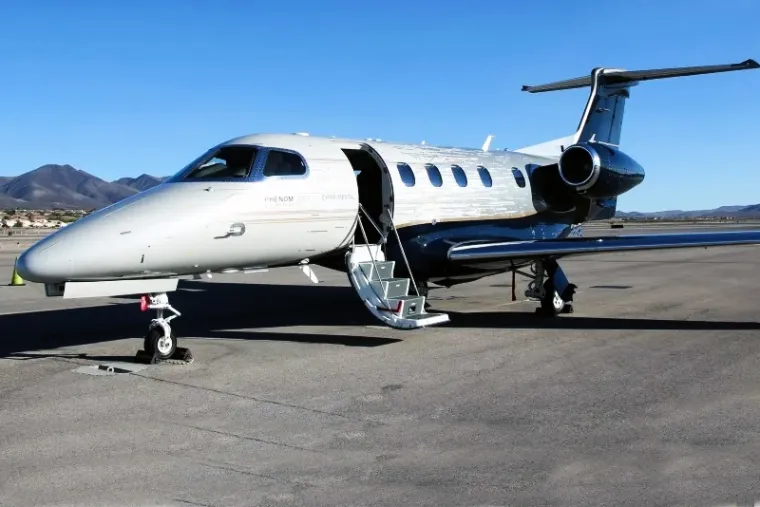
The efficient two-to-three hour aircraft.

Light jets are the right answer more often than most people expect. For four to six passengers on a two- or three-hour leg — Boca Raton to Teterboro, Chicago to Aspen, Dallas to Los Angeles with a stop — they are quick, they get into short runways the bigger aircraft cannot use, and they are simply the right size for the mission.

Planning range
1,350 nm
Planning cruise
410 kt
Aircraft
3
Explore light jets
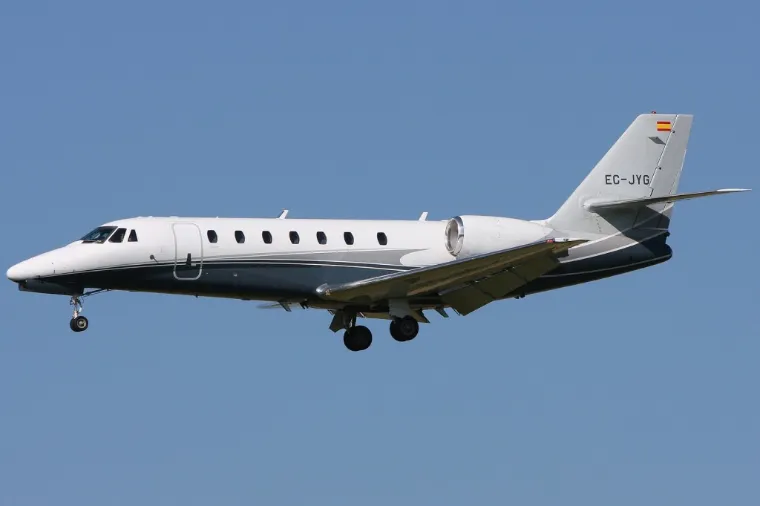
Mid-Size Jets — representative aircraft

Mid-Size Jets

7–8 passengers

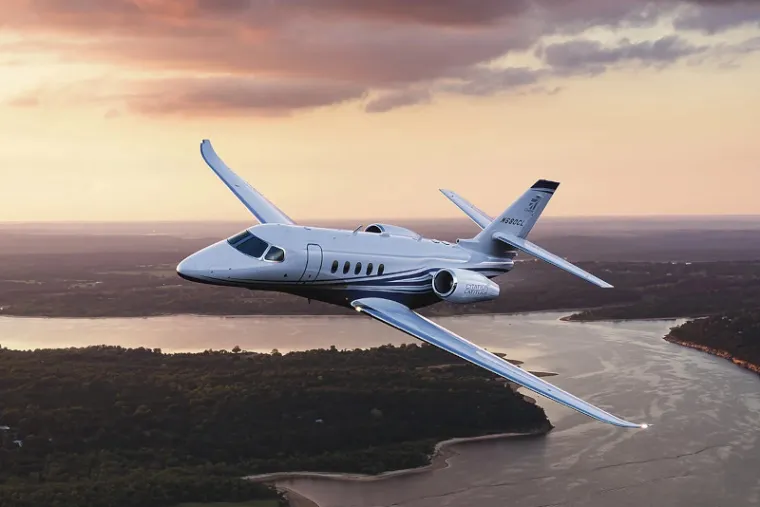
Stand-up cabin. Three and a half hours in comfort.

The mid-size category is where a private aircraft stops being transport and starts being a place you can work. A stand-up or near stand-up cabin, a proper lavatory, real baggage volume, and enough range for most domestic business travel without a fuel stop.

Planning range
1,700 nm
Planning cruise
430 kt
Aircraft
3
Explore mid-size jets
Super-Mid Jets — representative aircraft

Super-Mid Jets

8–9 passengers

Coast to coast, full cabin, no stop.

Super-mid is the class that makes transcontinental flying routine. A flat-floor stand-up cabin, eight passengers, New York to San Francisco nonstop into a headwind — and, in the Citation X, the fastest civil aircraft most people will ever ride in.

Planning range
2,700 nm
Planning cruise
460 kt
Aircraft
3
Explore super-mid jets
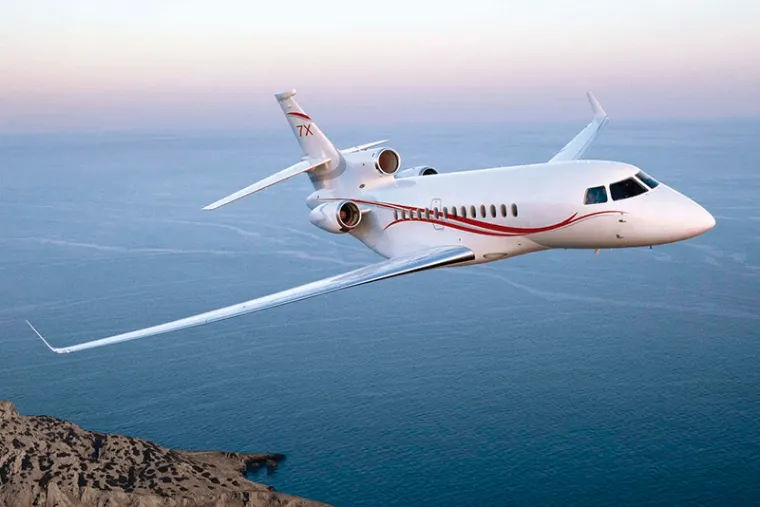
Heavy Jets — representative aircraft

Heavy Jets

12–16 passengers

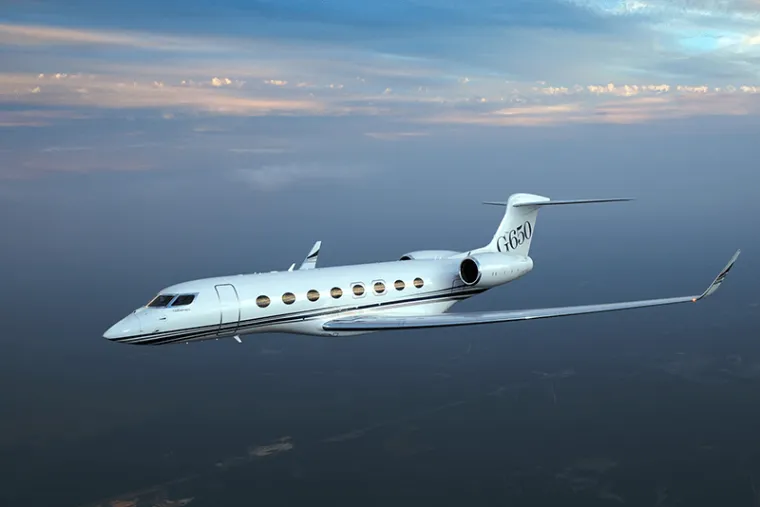
Intercontinental. Cabin crew. Sleeping berths.

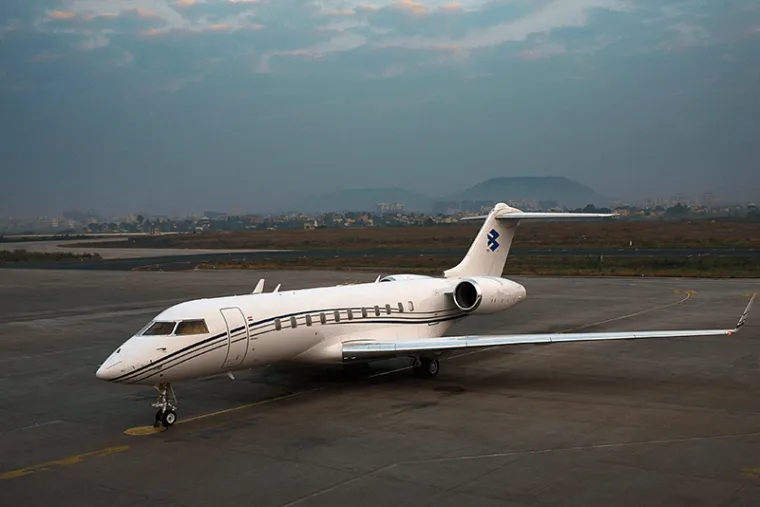
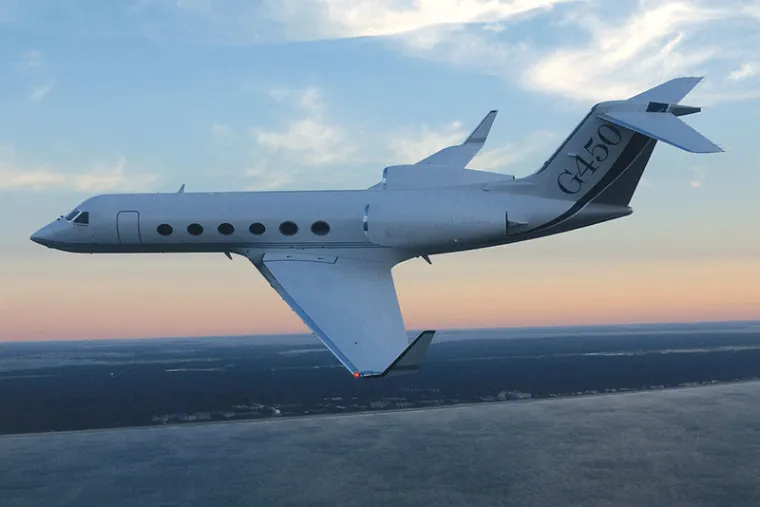
Heavy and ultra-long-range aircraft are booked for two reasons: the flight is long enough that the cabin becomes a bedroom, or the group is large enough that nothing smaller works. A cabin attendant is standard, the cabin is genuinely wide, and the longest-legged of them will fly New York to Hong Kong without landing.

Planning range
4,100 nm
Planning cruise
480 kt
Aircraft
6
Explore heavy jets

On the accuracy of these numbers

Eight of the aircraft on the previous version of this site carried inaccurate specifications. The worst was the Bombardier Global 7500, published at roughly 3,509 nautical miles against a real figure of 7,700 — an error of more than four thousand miles, on the flagship of the fleet.

That kind of mistake is not carelessness so much as inheritance: figures get copied between broker sites, an aircraft’s overall length gets mistaken for its cabin length, a variant’s number gets attached to its predecessor, and the error propagates. We found several such errors circulating while checking ours.

So every number on these pages was re-derived from manufacturer publication first, then a recognized industry reference, with aggregator data used only as a cross-check. Where two credible sources disagreed we published the conservative figure and said so on the page. Where we could not source a figure at all, we publish no figure and confirm it per aircraft at quote. Last full re-verification: 2026-09-08.

If you find something here you believe is wrong, tell us and we will check it and correct it.

Your Jet Card, priced around the way you actually fly.

No template, no tiers you have to fit yourself into. Tell us how you fly and we will build the program around it.

Request Jet Card Info Or call 866-575-JETS

Every inquiry is answered personally — 24/7, and we come back to you right away.

  • Newest aircraft
  • Highest safety ratings
  • FAA Part 135
  • NBAA Member